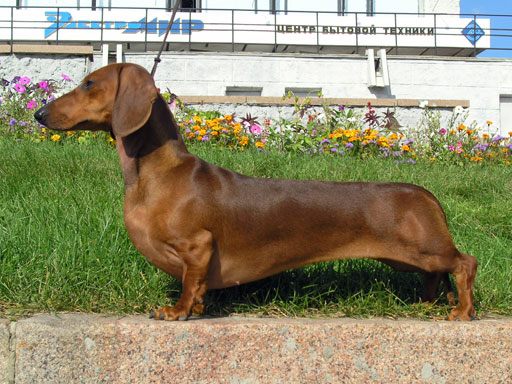
Dachshunds are small, brave, clever and stubborn hounds that were bred in Germany to hunt badgers. They make loyal, affectionate companions, but they come with real responsibilities: a back that needs protecting, a strong urge to dig and chase, a tendency to bark, and a stubborn streak that makes patient, consistent training a must.
This guide brings together everything we have written about Dachshunds. Start with the overview below, then follow the links to the full articles on the topics that matter to you.
Dachshund at a glance
- Origin: Germany. “Dachs” means badger, and the breed was developed to follow badgers and other burrowing animals underground.
- Sizes: standard and miniature. Some countries also recognize a smaller “rabbit” (Kaninchen) size.
- Coats: smooth, long-haired and wire-haired, in many colors and patterns, including dapple.
- Temperament: loyal, alert, curious and independent, often wary of strangers and quick to bark.
- Main health concern: back problems (intervertebral disc disease, or IVDD), linked to their long back and short legs.
Types, coats and colors
The three coat types look and feel very different, and each needs a slightly different grooming routine. Smooth coats need little more than a weekly brush, long coats need regular brushing to prevent tangles, and wire coats need occasional hand-stripping or trimming. See different types of Dachshunds with pictures for photos of every size and coat, including dapple, long-haired and wire-haired Dachshunds.
For a lighter read, here are 12 cool facts about Dachshunds you may not know.
Is a Dachshund right for you?
A Dachshund suits someone who is home a fair amount, enjoys a dog with a big personality, and is willing to put time into training. They can do well in apartments, but their barking needs managing. With children, a well-socialized Dachshund can be a great family dog, as long as kids are taught to handle them gently and never to pick them up carelessly.
- Are Dachshunds easy to take care of?
- Are Dachshunds good for a family with children?
- Why Dachshunds are better in pairs
- Dachshund vs. Beagle and Dachshund vs. Shih Tzu
Behavior and temperament
Most of what surprises new owners comes straight from the breed’s hunting past: digging, chasing, barking at noises and a determination to do things their own way. Dachshunds are also famously attached to their people, which can tip into clinginess or anxiety when they are left alone.
- Are Dachshunds aggressive towards people and other dogs?
- Dachshund anxiety: why are Dachshunds so needy?
- Why do Dachshunds sleep so much?
- Things Dachshunds love to do
Training
Dachshunds are smart but independent, so they respond best to short, frequent sessions, food rewards and a lot of patience. Harsh corrections tend to make a stubborn Doxie dig in harder. Use a harness rather than a collar for walks to keep pressure off the neck and back.
Health and back care
Back problems are the biggest health issue in the breed. Keeping your Dachshund at a healthy weight, limiting jumping on and off furniture, and supporting the back and rear when you lift them all help reduce strain. If your Dachshund suddenly struggles to walk, drags its legs, cries out when touched or loses bladder control, treat it as an emergency and see a vet straight away.
- How common are back problems in Dachshunds?
- What is the life expectancy of Dachshunds?
- A guide to a healthy diet for your Dachshund
Exercise, play and everyday life
Dachshunds need daily walks and mental stimulation, but not long runs or high-impact games. Sniffing, digging and food-puzzle games suit them well. Many enjoy water too, but their short legs mean they should always be supervised and may need a life jacket.